
omron proximity sensor - Full Details
In the fast-paced world of industrial automation, the Omron proximity sensor stands as a reliable and innovative solution to detect objects without physical contact.
Whether you are in manufacturing, motor vehicle, packaging, or robotics, understanding the features and benefits of the it can help customise your processes and ensure easy operation.
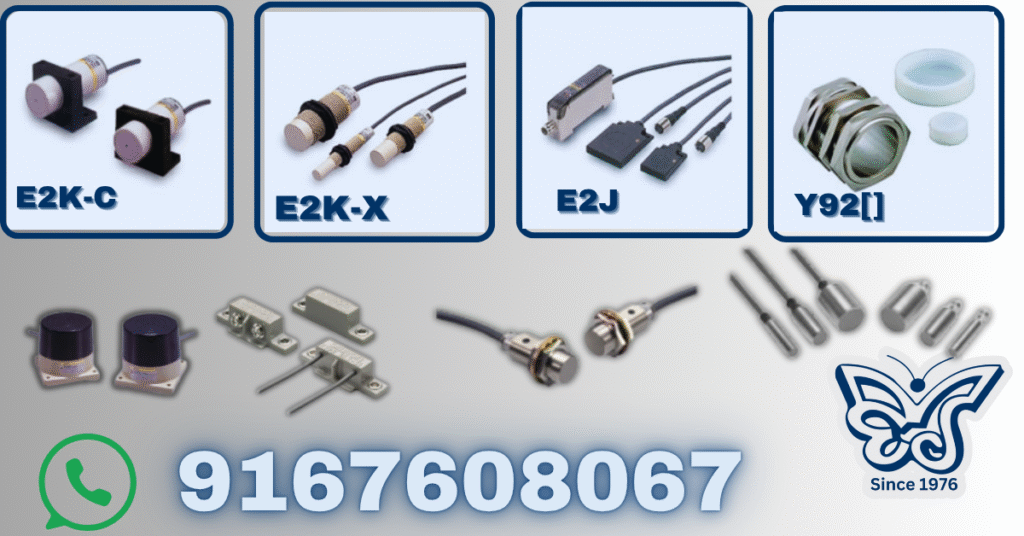
What is an Omron proximity sensor?
This tool is designed to detect the presence or absence of an object within a specific range, which converts this information into an electrical signal. These sensors are essential for applications where contactless identity is required, wearing and reducing tears and increasing the system longevity.
Omron proximity sensor types
Omron proximity provides a diverse range of sensors, sewn to each specific application:
Adductive proximity sensor
This is ideal for detecting metal objects using electromagnetic induction. Usually used in assembly lines and robotic automation.
Capacitive proximity sensor
This is ideal for detecting metal objects using electromagnetic induction. Usually used in assembly lines and robotic automation.
Photoelectric proximity sensor
Use lights to detect objects, long sensing distance and suitable for transparent or small objects.
Magnetic proximity sensor
Detection of magnetic fields, perfect for applications requiring contactless identity in a rigid environment.
Omron proximity sensor's key features
High accuracy and accuracy also ensure reliable detection for small or fast -moving items.
Strong and durable designs
Dust is designed to withstand water, vibration and excessive temperatures, which makes them suitable for rigid industrial environment.
Wide Sensing Range
Available in the model with sensing distance from a few millimeters to several meters, which provides flexibility for various applications.
Rapid response time
ensuring ideal, quick and efficient operations for high-speed automation processes.
Easy Integration
Compatible with standard automation systems, offering various output types (NPN, PNP, analog) for spontaneous installation.
Omron proximity sensor - Benefits
Its provide many advantages, which involve better efficiency by automating detection functions, which reduces manual intervention and increases productivity. They increase security by correctly detecting goods to prevent potential collisions or accidents during operation.
Their durable and reliable design makes them cost -effective, as they help reduce maintenance needs and reduce downtime. Additionally, their versatility allows them to use them in a wide range of industries, including motor vehicles, food and drinks, pharmaceuticals and logistics..
Omron proximity sensor application
Omron proximity sensors are widely used across various industries due to their reliability and precision. In manufacturing, they help detect parts, monitor assembly processes, and ensure workplace safety. In the automotive sector, they are essential for assembly lines, robotic systems, and quality inspections.
The food and beverage industry uses them to monitor conveyor lines and maintain hygienic production standards, while in the pharmaceutical industry, they play a crucial role in automatic packaging systems and quality control processes.
Conclusion
This is the cornerstone of modern industrial automation, offering unmatched credibility, accuracy and versatility. By integrating these sensors into your system, you can get high efficiency, better security and long -term cost savings.